


Why Financial Literacy Matters?
Being financially literate means more than just knowing how to save or spend - it’s about understanding how money works in your everyday life. With the right knowledge, you can make confident decisions whether you’re:
-
Opening your first bank account
-
Planning a big purchase
-
Applying for a loan
-
Navigating digital payments
It’s not just about numbers - it’s about gaining clarity, confidence, and control over your financial life. Financial awareness helps you:
-
Manage your income and expenses
-
Save for future goals
-
Use financial tools responsibly
-
Stay safe from frauds and scams
Digital Payments Awareness Week 2026 – Stay Safe Online
Digital Payments Awareness Week (DPAW) was observed from March 09 to March 15, 2026. The objective of this nationwide initiative was to promote safe, secure, and responsible digital payment practices.
In today’s digital world, being financially aware isn’t just about managing money - it’s about using digital tools wisely, recognising potential risks, and safeguarding your financial information online.
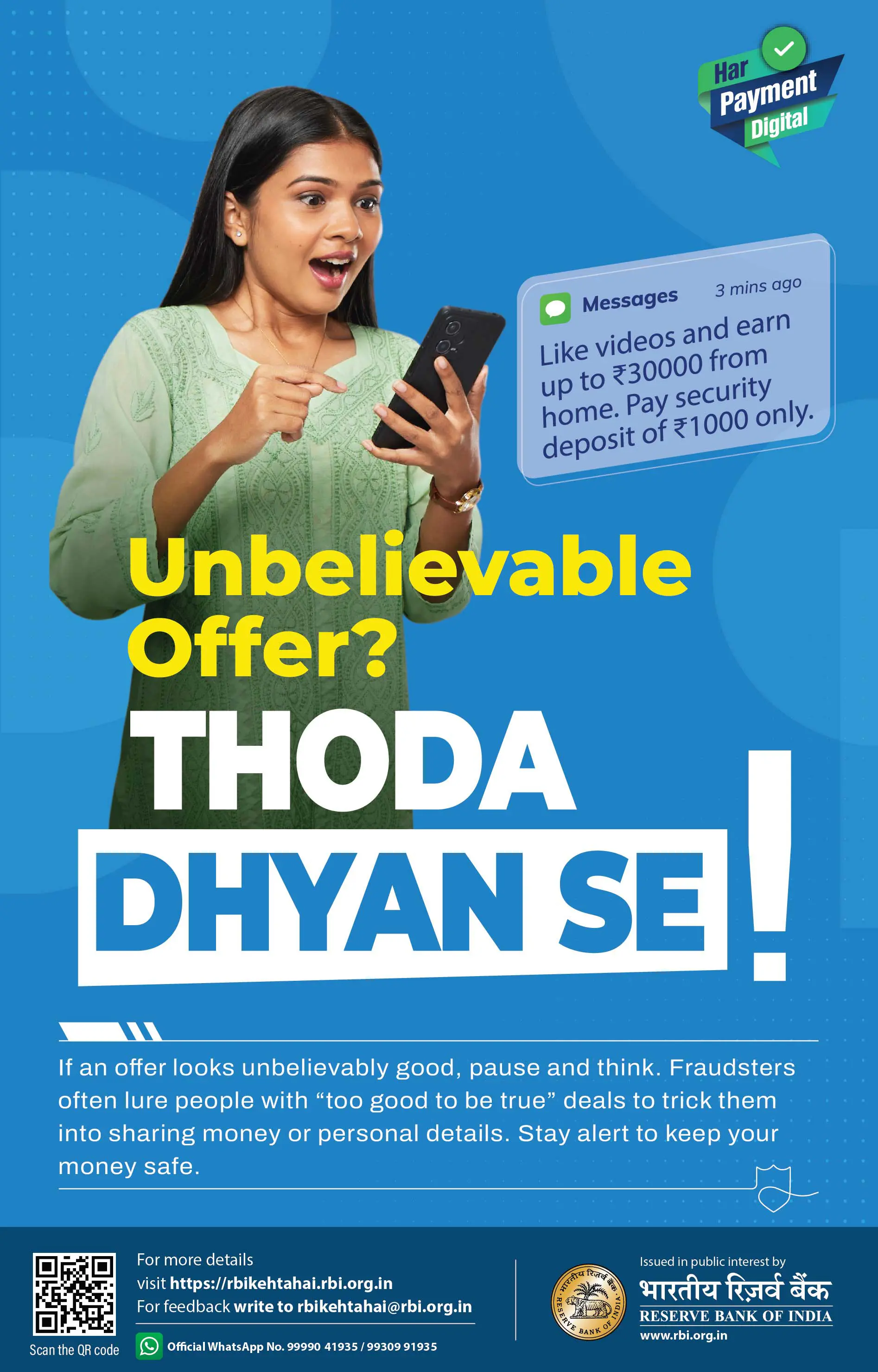
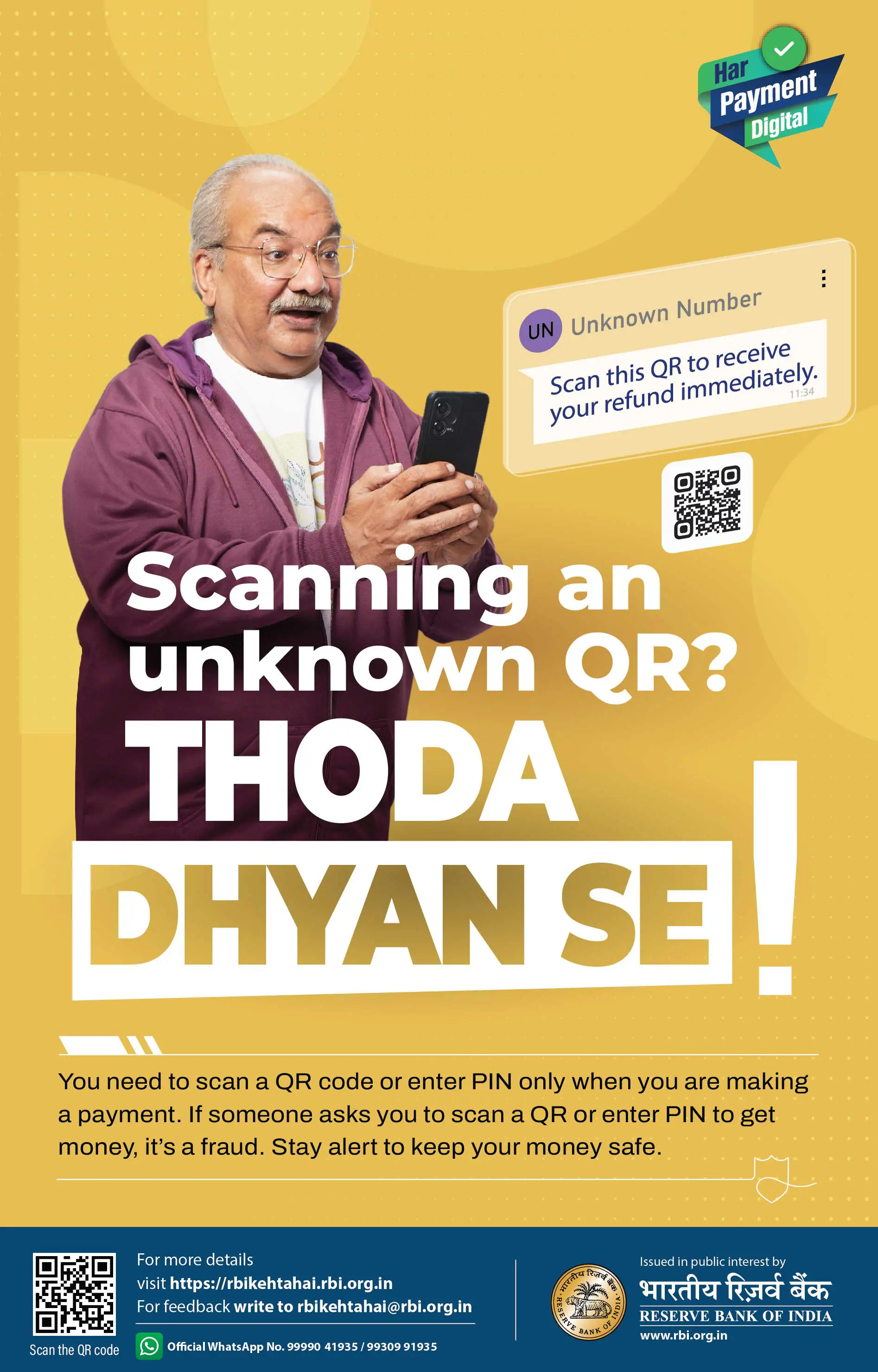
Online payment fraud is a growing risk. Fraudsters often use phishing, fake websites, and deceptive messages to steal personal and financial information. Awareness and vigilance are the first steps to protecting yourself.
Common Types of Online Payment Fraud
-
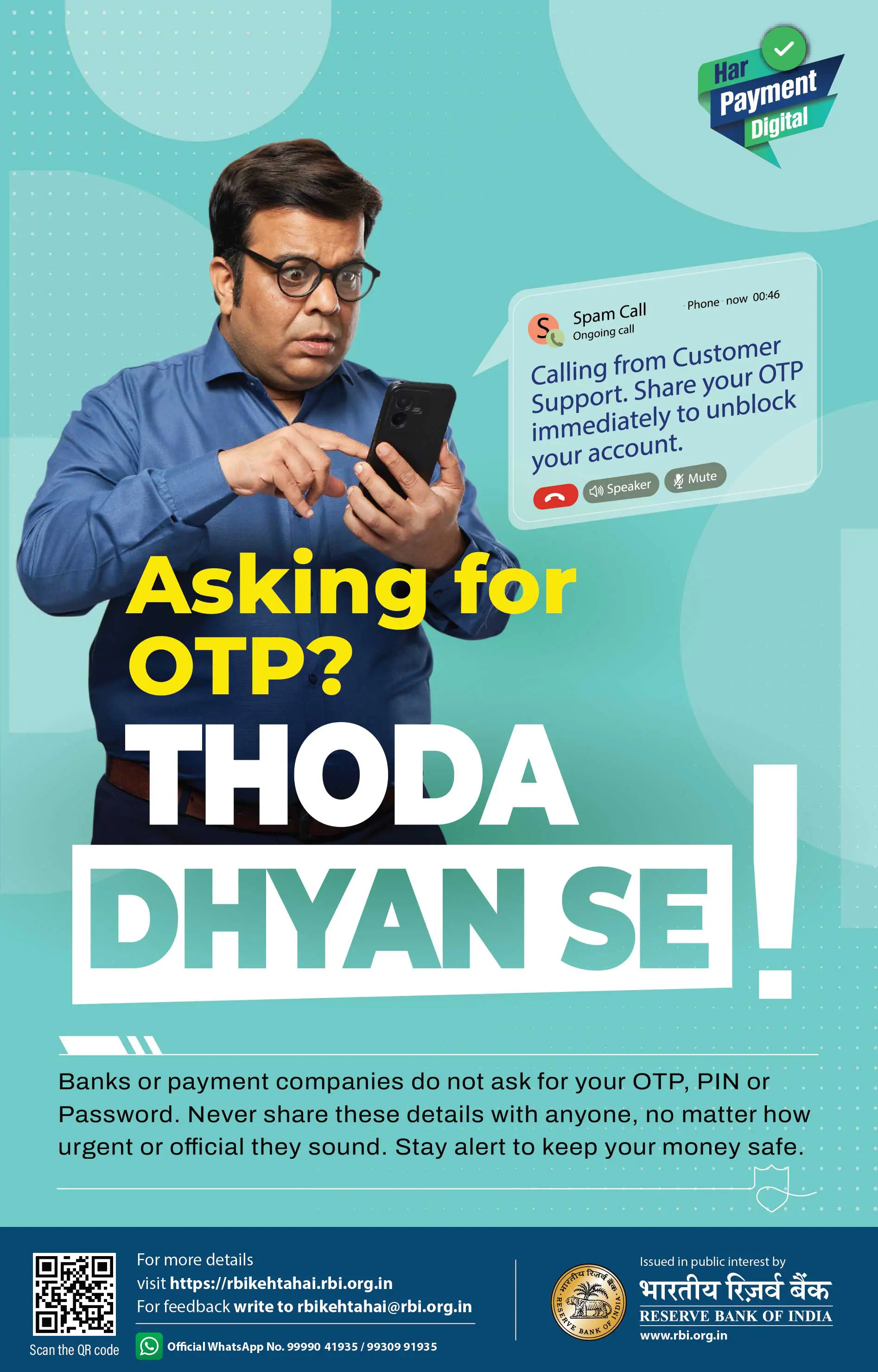
Phishing scams: Fake emails, messages, or calls pretending to be your bank or payment service, asking for OTPs or passwords.
-
Fraudulent apps or websites: Imitation banking or payment apps designed to steal information.
-
Identity theft: Misuse of personal information to make unauthorised transactions.
-
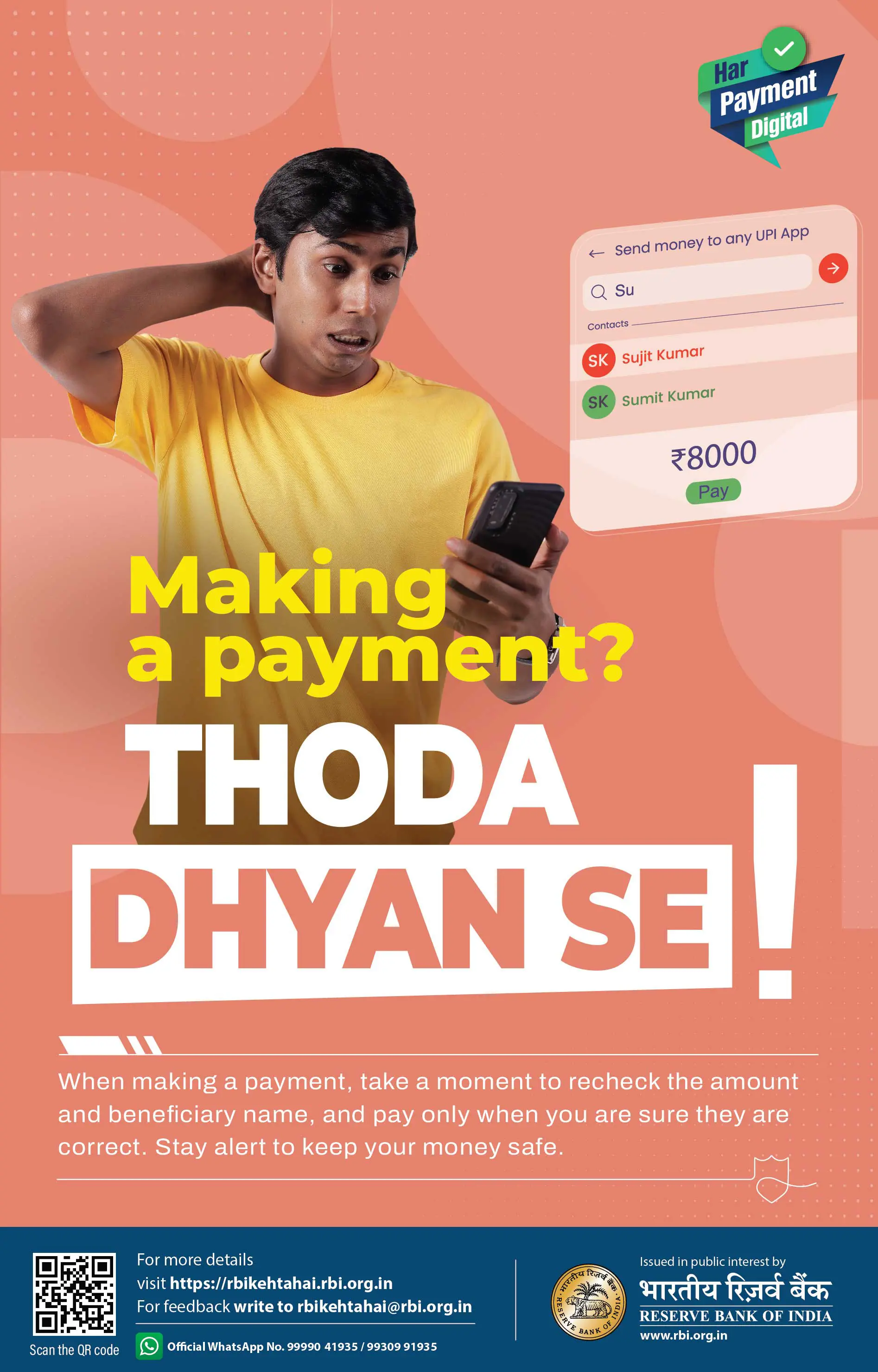
Unauthorised transactions: Fraudulent payments made using stolen account details or cards.
Things to Remember
-
Never share OTPs, PINs, or passwords with anyone, even if they claim to be from your bank.
-
Verify the source before clicking links in emails or messages. Always use official apps or websites.
-
Enable two-factor authentication (2FA) wherever possible.
-
Monitor your accounts regularly for unusual transactions.
-
Report suspicious activity immediately to your bank.
How to Stay Safe
-
Use strong, unique passwords for banking and payment apps.
-
Keep your devices secure with antivirus software and regular updates.
-
Be cautious when using public Wi-Fi for transactions.
-
Stay informed about common scams through trusted resources like NCFE e-learning modules and your bank’s guidance.
Remember: Staying alert and cautious online can prevent fraud and keep your money safe. Safe digital payments start with informed users.
Learn More About Online Payment Safety
During Digital Payments Awareness Week, we encourage customers to explore our guides and resources on safe digital payments and fraud prevention.
-
Protect Yourself from Phishing Fraud: Learn how to identify phishing attempts and report suspicious emails, calls, or messages. Read More
-
The Risks of Downloading Apps from Unofficial Sources: Understand why downloading apps from unofficial sources can compromise your device and finances. Read More
-
How Fraudulent Android Apps Threaten Your Data and Finances: Learn about malicious apps and how they can steal your personal and financial information. Read More
-
Safeguarding Your Identity: Explore practical steps to protect your identity and prevent fraud. Read More
Explore All Fraud Prevention Guides
To support Digital Payments Awareness Week 2026, explore the official awareness materials that highlight safe digital payment practices and tips to prevent fraud.
-
View the guide to learn about safe digital transactions and fraud prevention.
-
View the guide in regional languages for wider accessibility and understanding.
Explore Free Resources to Boost Your Financial Knowledge
NCFE E-Learning Course (E-LMS)
Build a strong foundation in personal finance with the National Centre for Financial Education (NCFE)’s free online course. Designed for learners of all ages, this self-paced course includes short, engaging modules to help you understand the essentials of managing money.
Course Highlights:
-
Duration: Around 5 hours
-
Format: 20 short modules (15–20 minutes each)
Key Modules Include:
-
Money & Transactions: Basics of handling money, banking, and digital payments
-
Financial Planning: How to budget, manage income, and set goals
-
Investments & Risk: Intro to investment types and risk-reward balance
-
Insurance & Safety Nets: Importance of financial protection
-
Retirement Planning: Why to start early and how to plan smart
-
Regulation & Consumer Protection: Know your rights and responsibilities
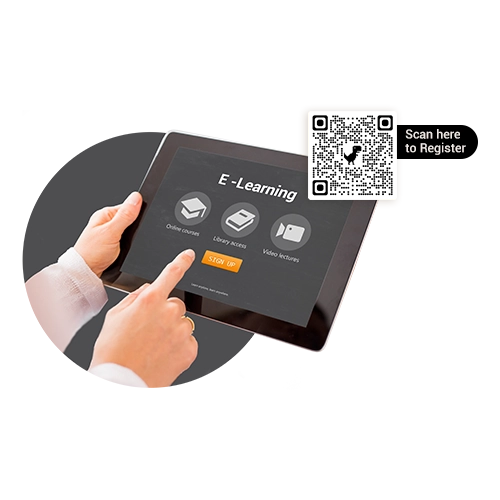
Whether you’re a student, professional, or homemaker, this course builds financial confidence at every stage.
NCFE e-Library
Want to read and learn more about money matters at your own pace? The NCFE e-Library offers a wide range of free and easy-to-understand digital booklets, guides, and resources on everyday financial topics.
What You’ll Find:
-
Guides on banking, saving, and budgeting
-
Booklets on insurance, pensions, and retirement planning
-
Resources on fraud awareness and consumer protection
-
Materials supported by trusted institutions like RBI, SEBI, IRDAI, and PFRDA
These digital resources are available anytime, so you can read and learn at your own pace - whether at home, in school, or on the go.


